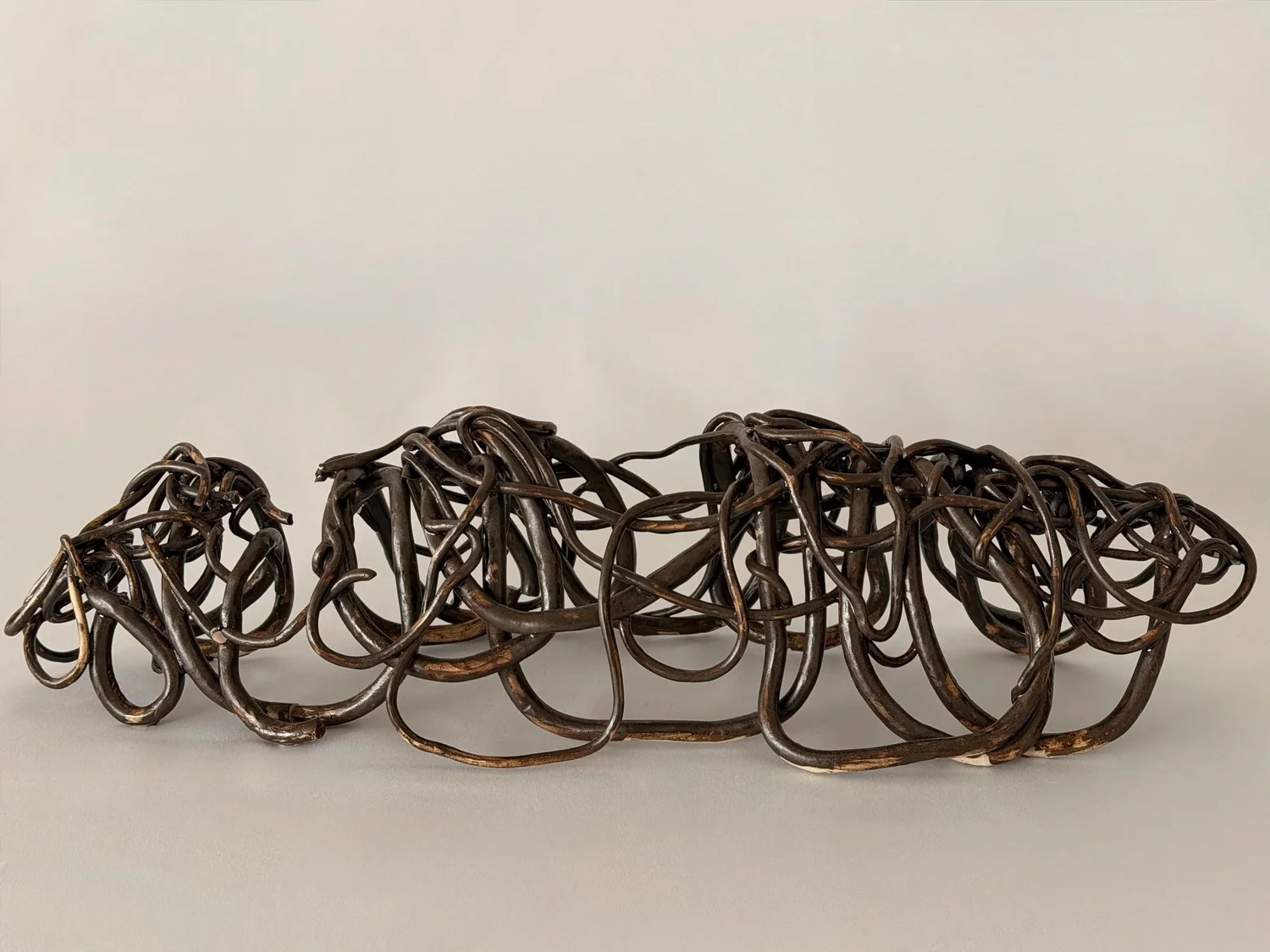
In Between
24 and 25 May 2025Studio Pottery London, LondonPerfection is often nothing more than a carefully maintained illusion.
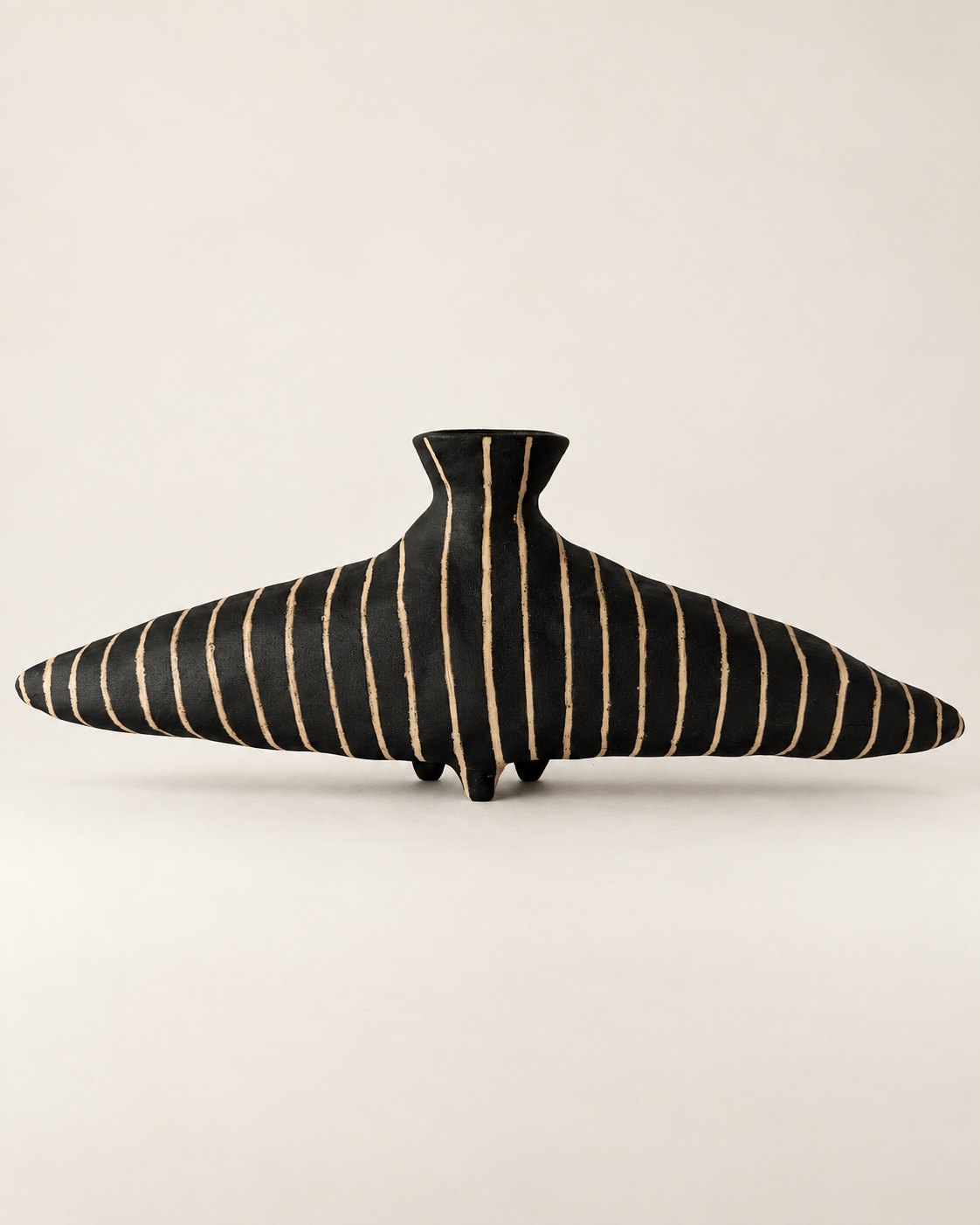
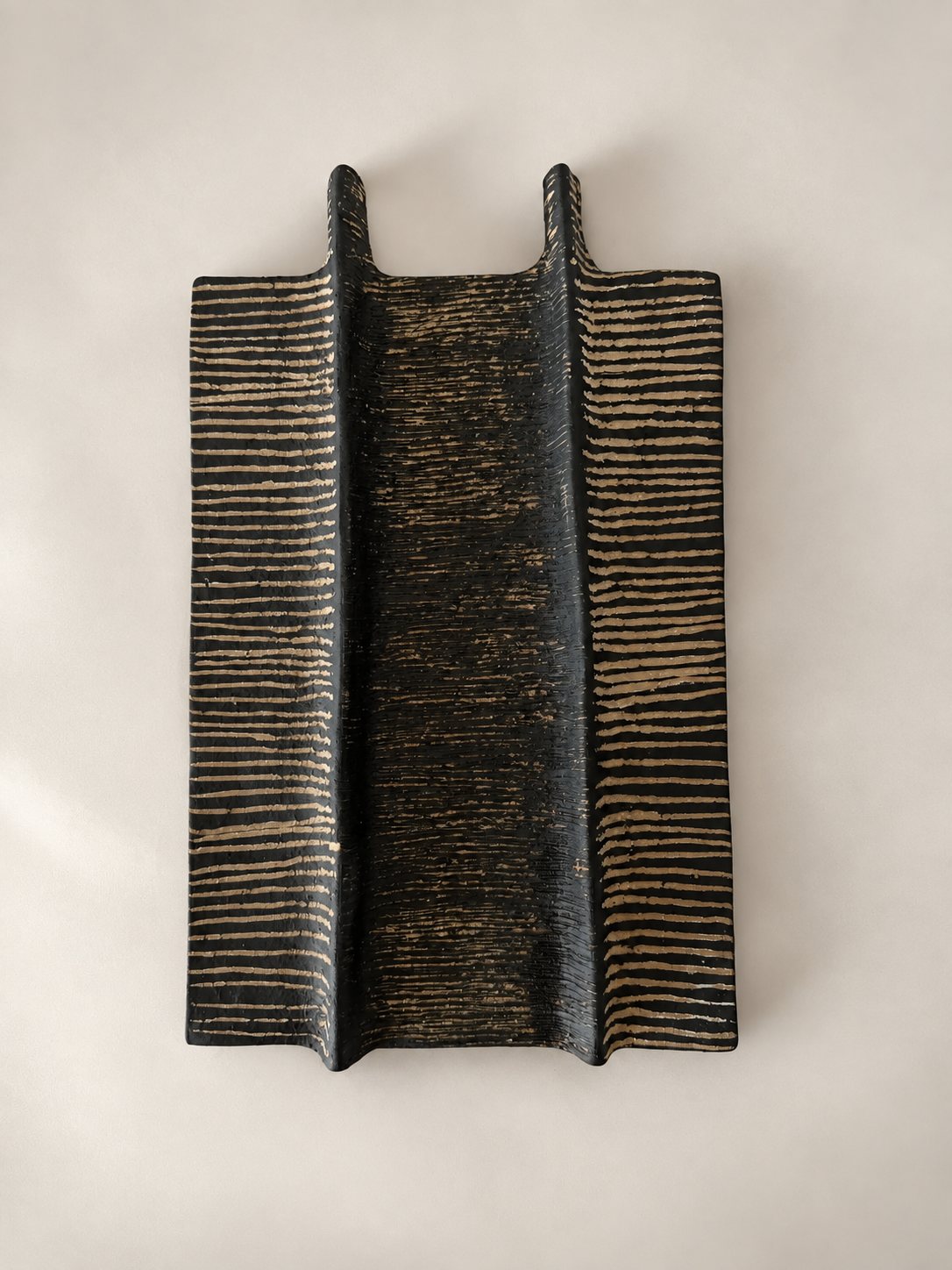
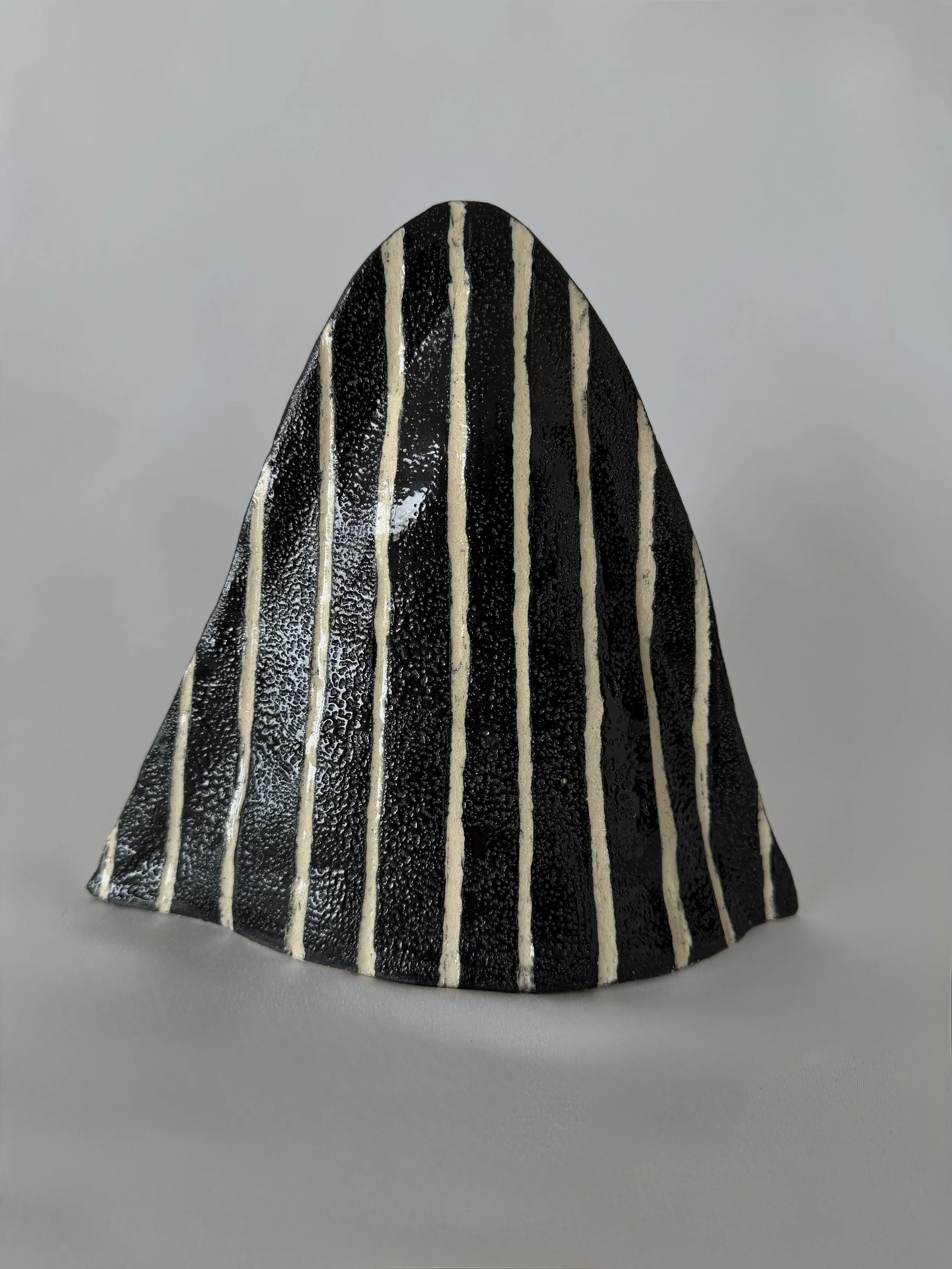
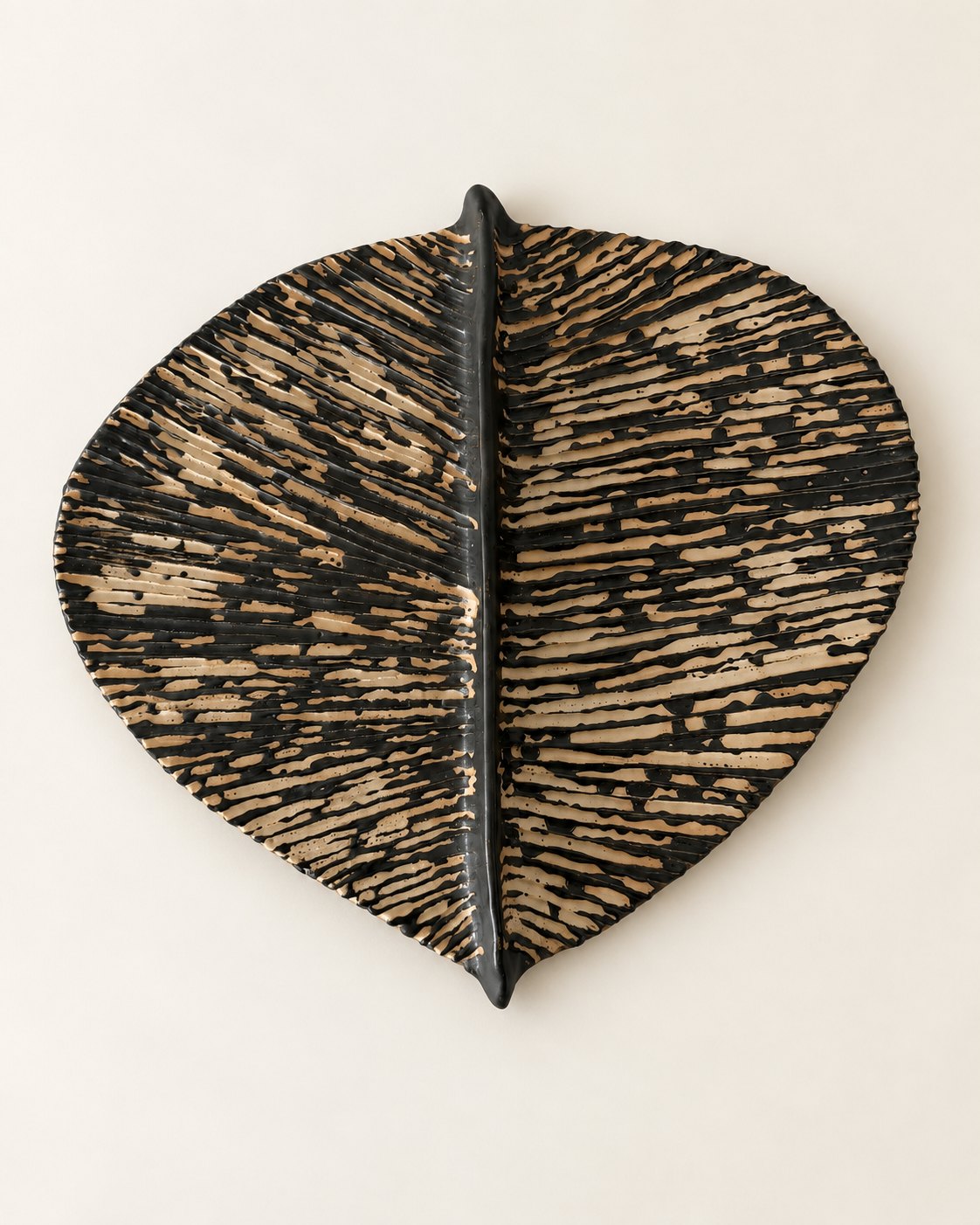
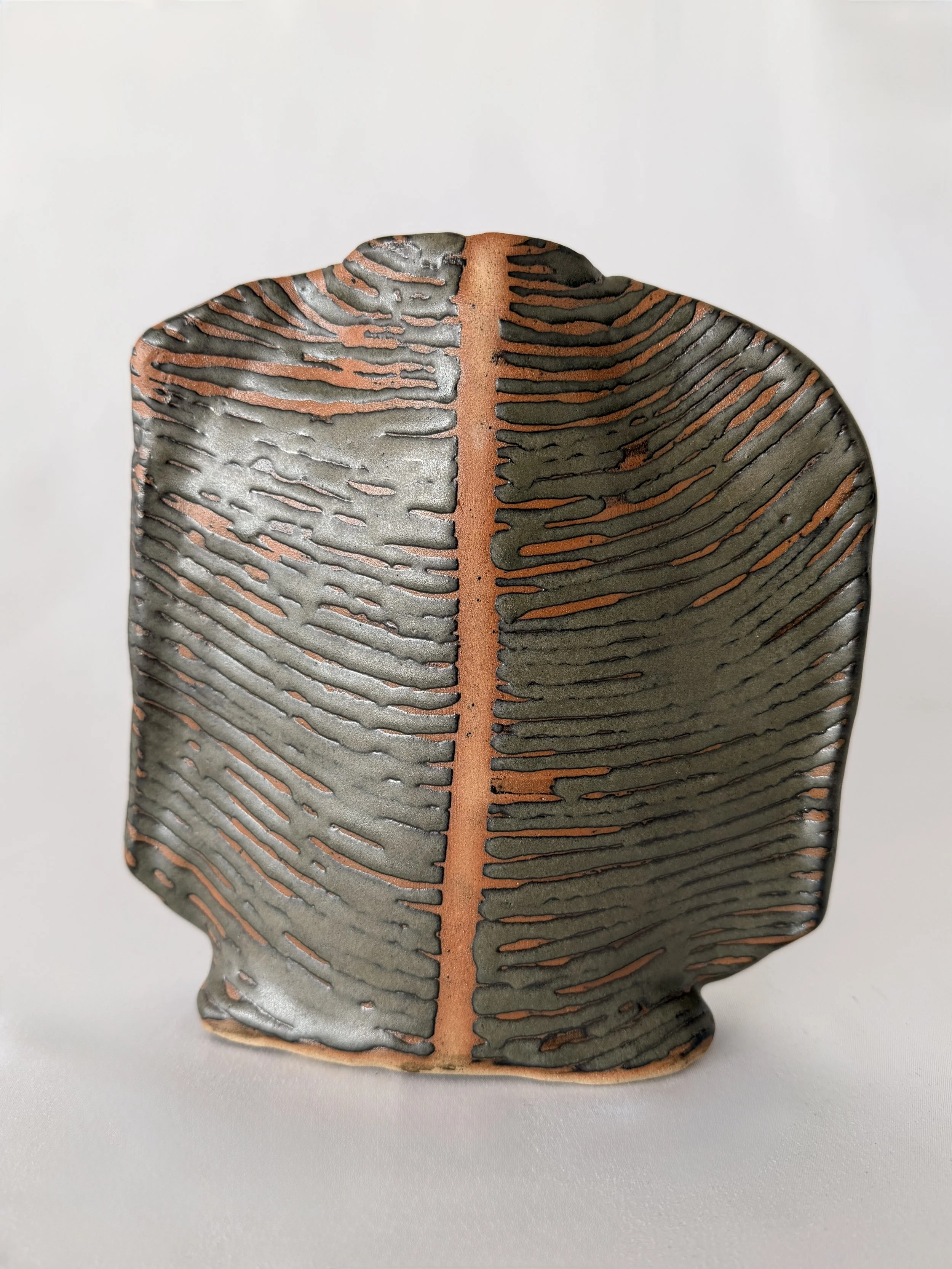
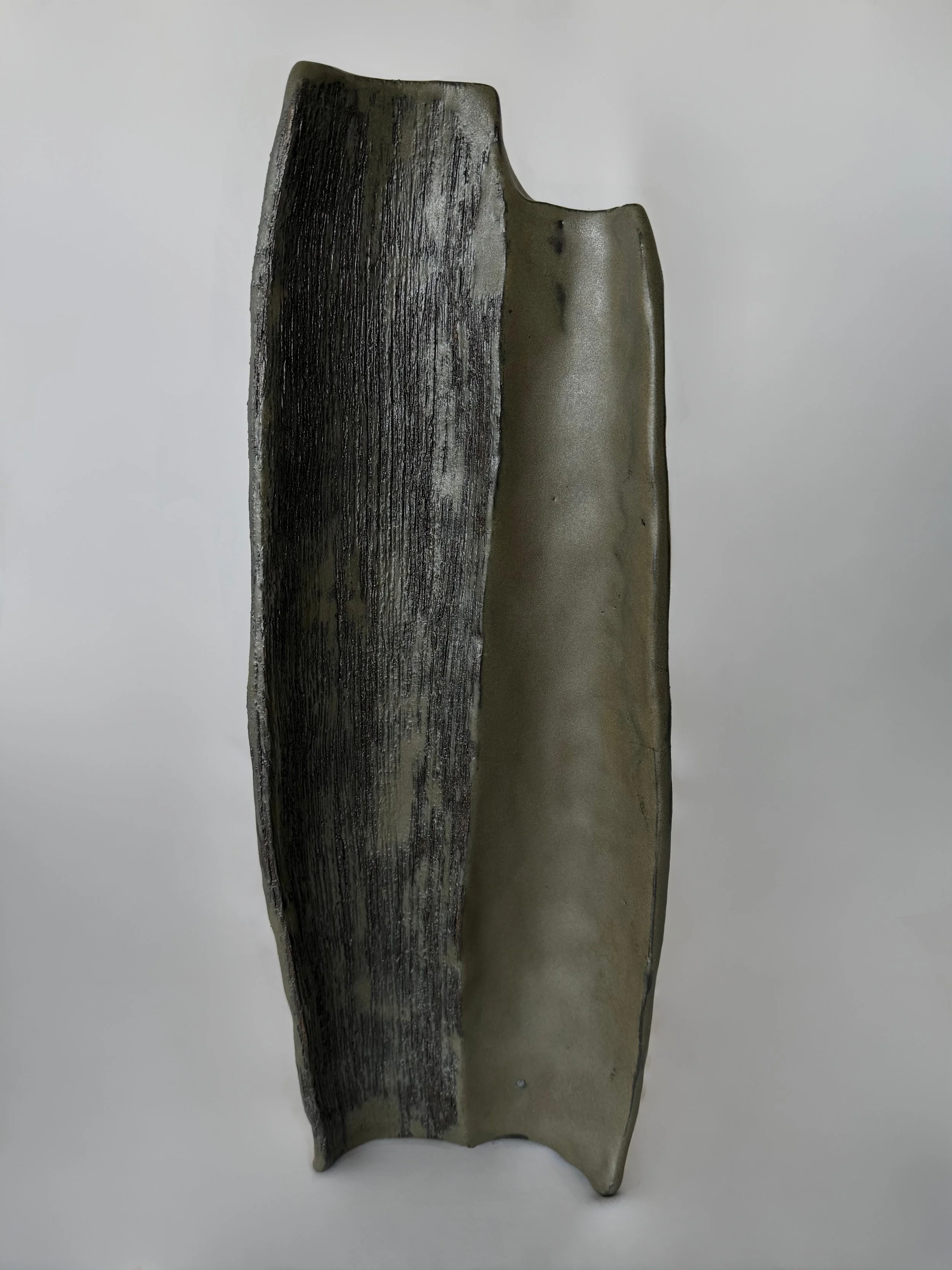
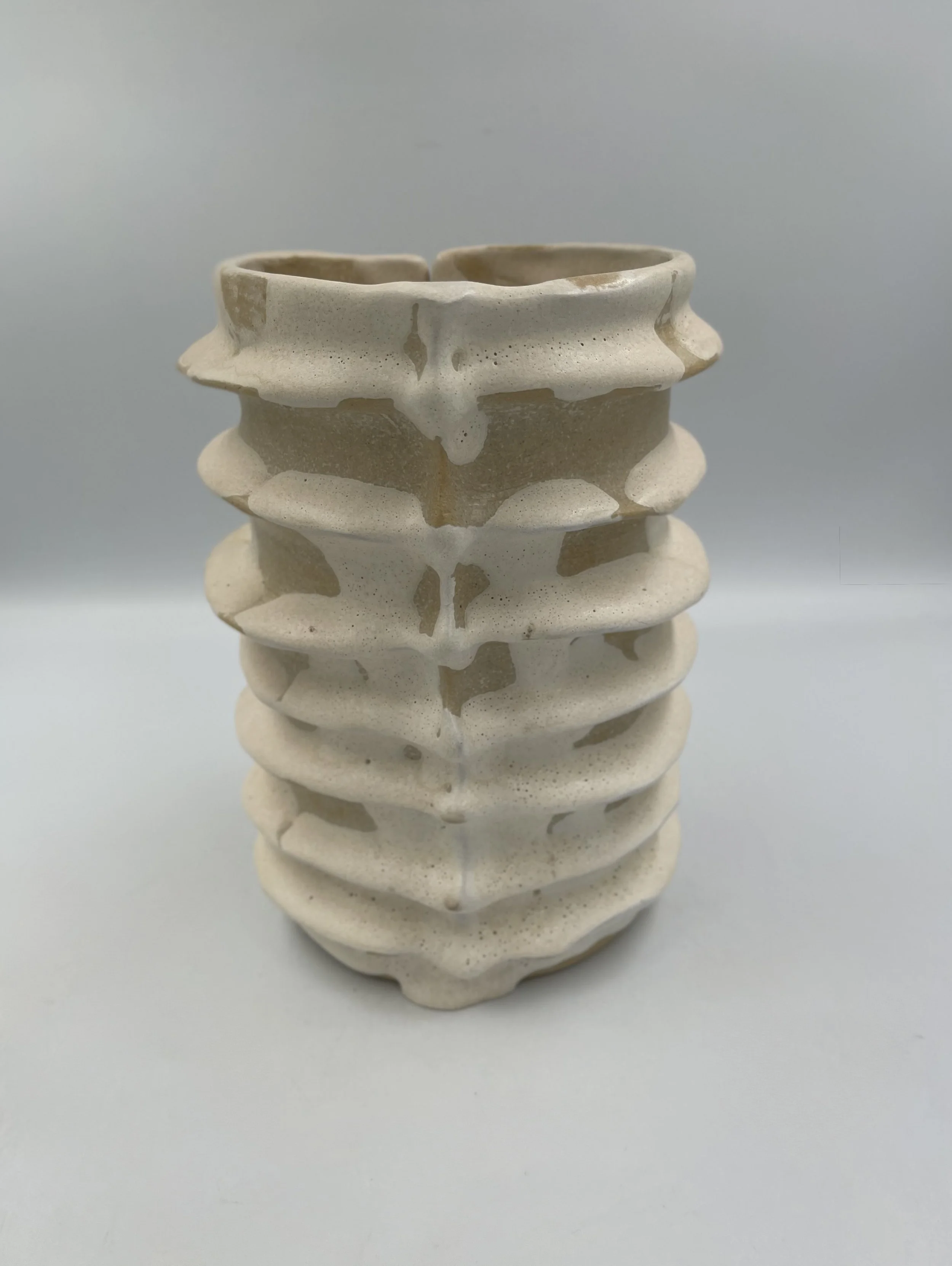
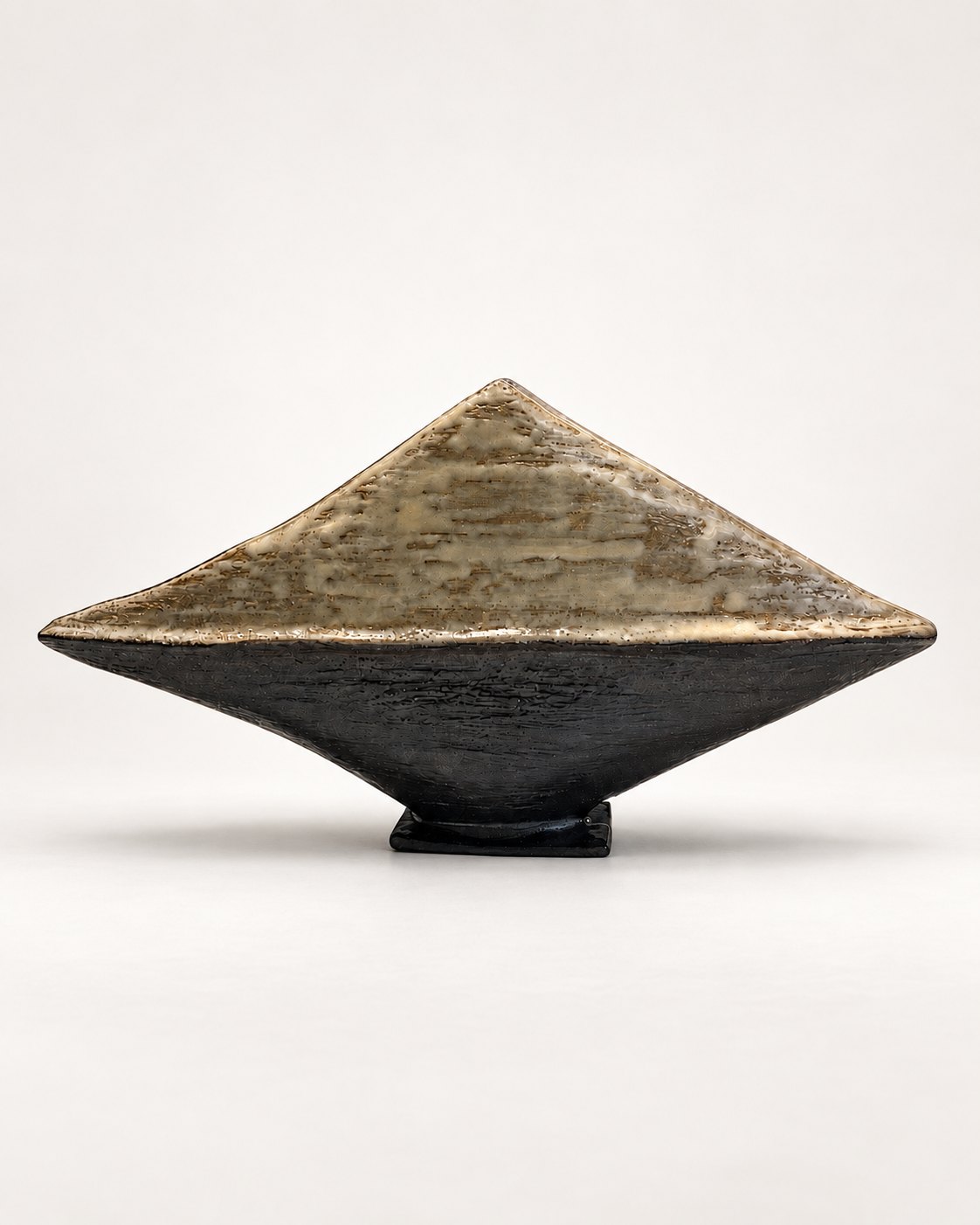
In Between begins with the idea that neither people nor relationships are perfect. The series brings rough, cracked and irregular surfaces together with smooth and refined ones, making visible the different sides of human nature. What is often perceived as imperfect is presented as equally essential to the whole.
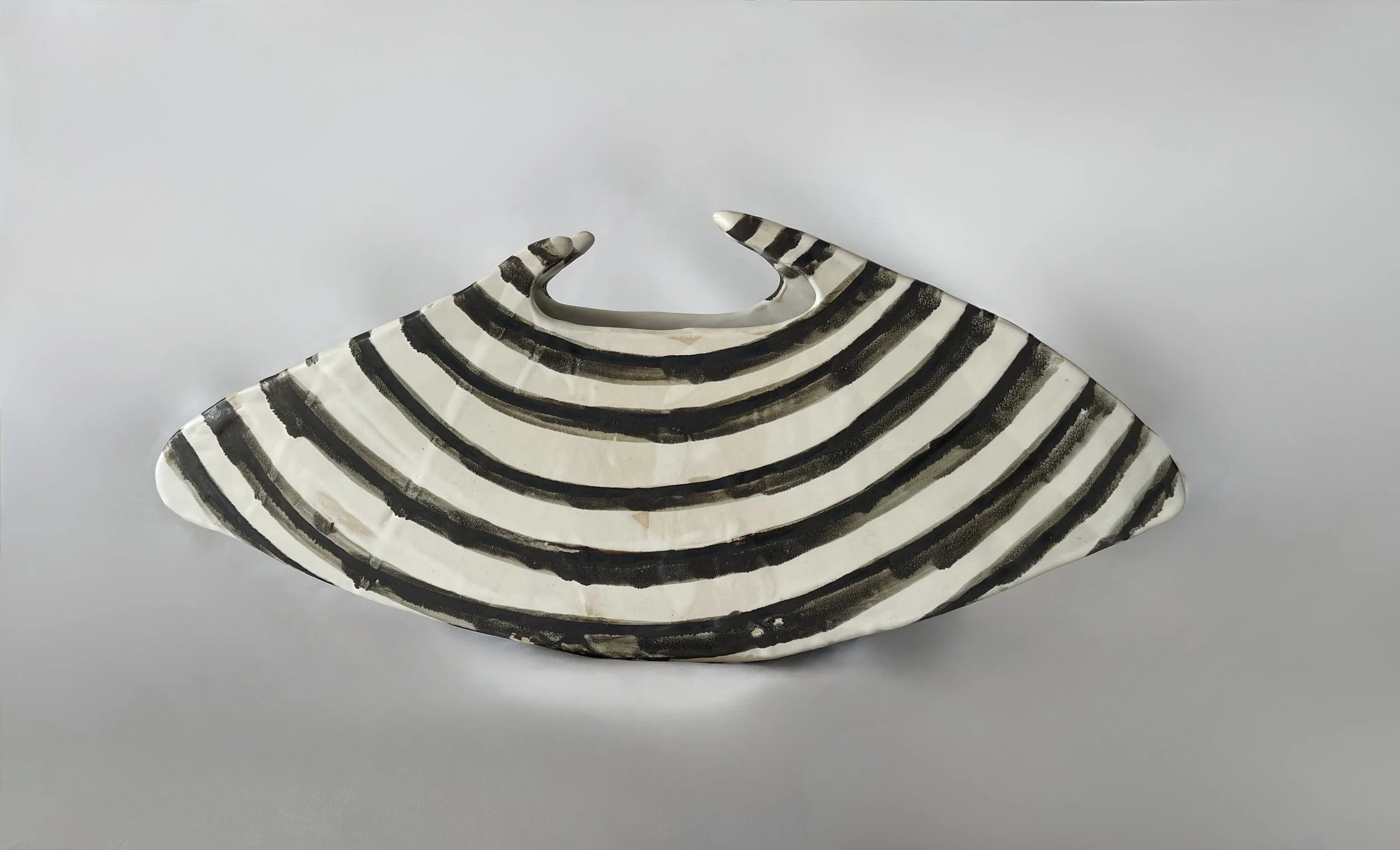
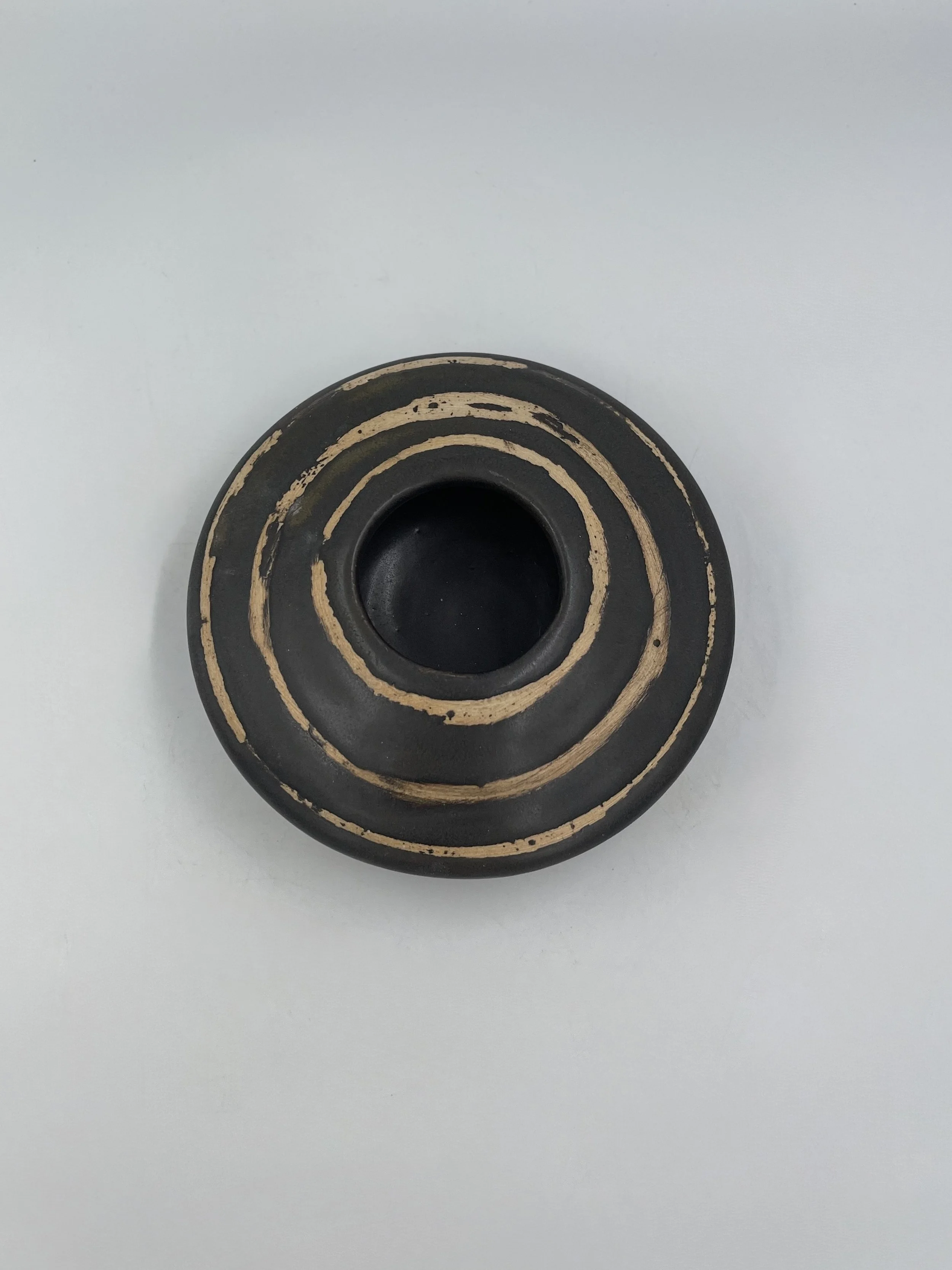
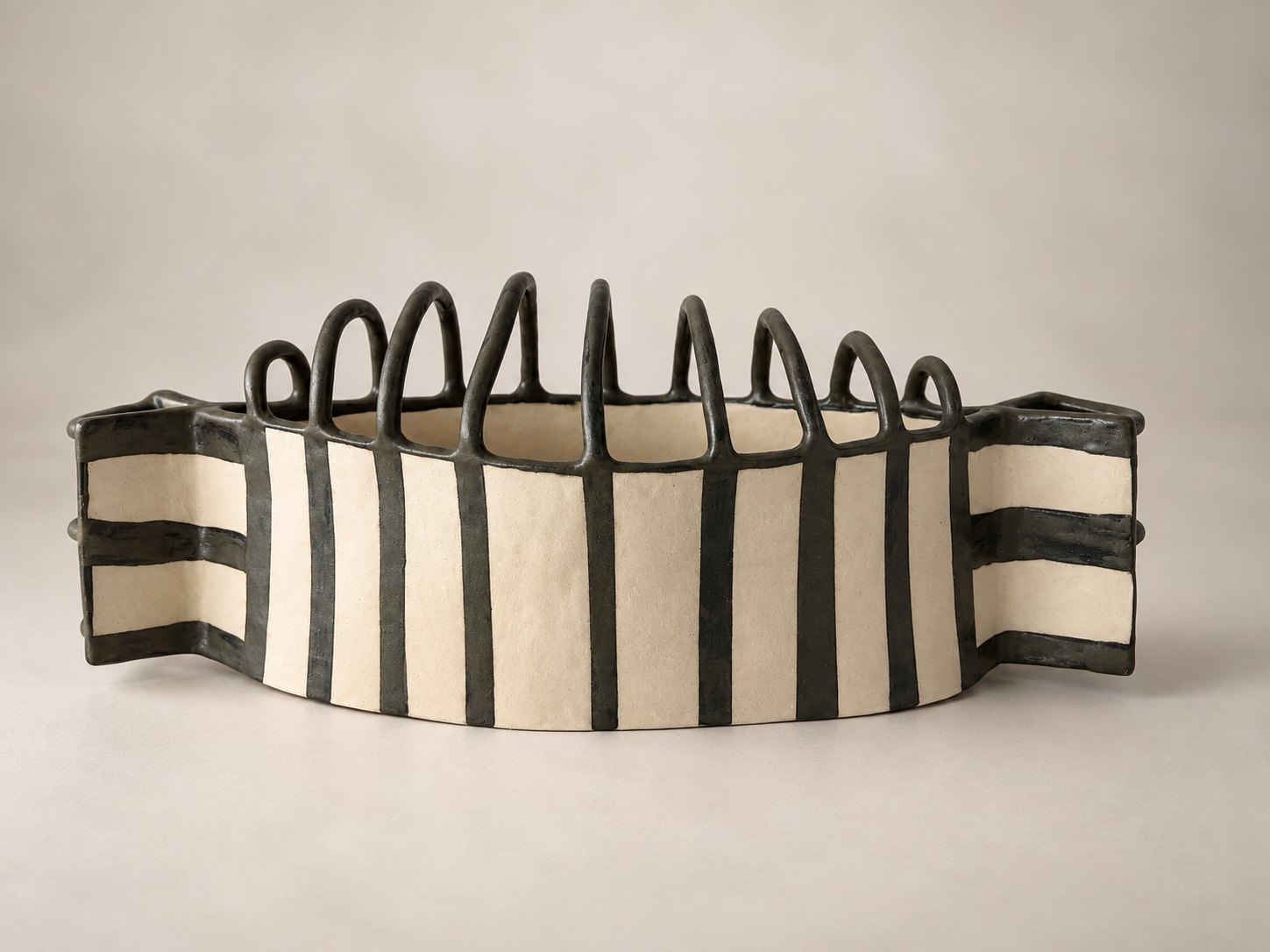
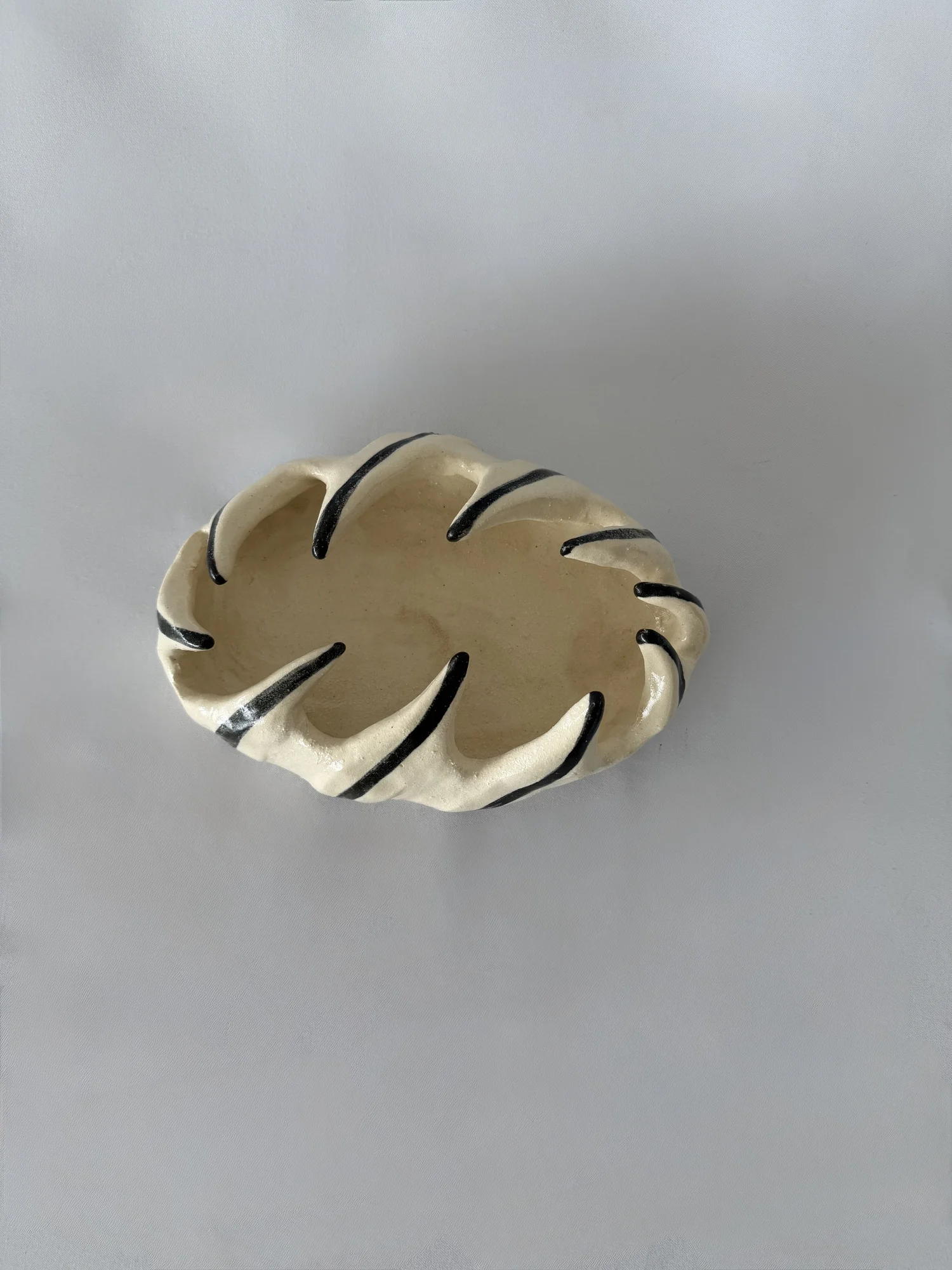
Black and white represent the light and dark aspects within the self. These opposites do not cancel each other out. Instead, their coexistence is what makes the individual complete.
The works explore harmony not as sameness, balance or perfection, but as the ability to live with what feels difficult, uncomfortable or imperfect, both within oneself and within relationships.
In Between locates intimacy not in perfection, but in the space where differences are allowed to remain. What makes a person or a relationship whole is not the removal of imperfections, but the ability to exist with them as part of the same whole.
Behind the work
An artist's publication, written and produced in the studio.
You worked as a research assistant at the MIT Mobile Experience Lab before turning to clay. What carried over?
The habit of setting a problem and then building something to test it. At MIT the problems were about systems and how people move through them. In the studio the problem is smaller and more physical. In this series it was a single question: can one object hold two opposite surfaces without resolving them. Everything I made was an attempt at that.
How are these surfaces actually made?
Both faces start identically, the same clay at the same thickness. I mix a black glaze with a black underglaze and lay it on in three coats, so the black sits dense enough to cut into. One face I leave whole and burnish to a closed shine. The other I carve back through those coats until the pale body shows. Every white line in the series is a cut, not a painted stroke. The two faces also differ in finish, one gloss and one matte, so the same black behaves in opposite ways on one body.
So the difference between the two sides is entirely a decision, not an accident of firing?
Yes. That distinction matters to me. I am not surrendering to the kiln. The firing has its own behaviour and I plan around it, but the split down each work is authored. I decided which face would stay closed and which would be opened, and the clay gives no reason for either. That is the point. The polished side is the one shown to a room and the carved side is what the maintenance of it costs.
The forms are deliberately asymmetrical. What does the asymmetry carry?
Asymmetry is the only honest way to describe proximity. Two forms occupy space together but never become symmetrical. One is heavier, one lighter. One advances, one recedes. This is not conflict, it is the texture of living alongside another person. When people pursue perfect balance in a relationship it usually goes sterile. One person will always take more room. One will be quieter. The rhythm does not come from matching, it comes from holding the difference and staying.
What do you want someone to take away from the work?
That an imperfect surface is not a lesser one. I want the carved face read as equal to the polished face, not as damage to it. Nothing in the series is repaired or hidden, and nothing is resolved into a single reading. What makes a person or a relationship whole is not the removal of what is difficult. It is the ability to carry it in the same body.
Works